

Sew-Ins Longevity: How Long They Really Last (4–10 Weeks) + Care
By BRAIDS BY AMY | October 17, 2026
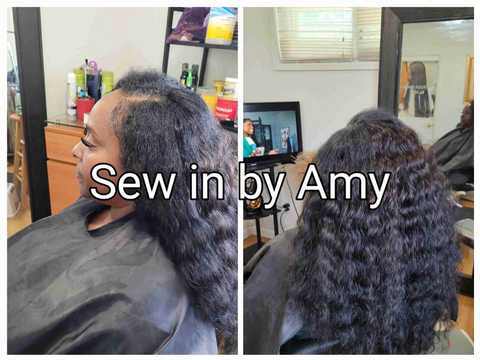
I talk to a lot of people who are picky about hair, including folks who moved to Henrico after years of getting their hair done up north and don’t want to “start over” with quality. So let’s get straight to the point. Most professionally installed sew-ins last about 4–10 weeks. Where you land in that range depends on how fast your natural hair grows, how you care for your scalp week to week, and whether you come in for a mid-cycle re-tighten instead of waiting until things feel loose.
The real 4–10 week timeline, and what actually changes it
Weeks 1–3: This is the “fresh” stage. Your install still sits close, your parts look clean, and styling is easy. If your sew-in feels too tight at the start, tell me right away. I check in during appointments for comfort because tight isn’t the goal.
Weeks 4–6: Growth starts showing. This is when a lot of people notice a little more movement at the root, especially around the perimeter. You can still look great here, but your maintenance matters more.
Weeks 6–8: This is my favorite time for a check-in or re-tighten. It helps prevent track slippage and keeps you from over-manipulating your hair at home trying to “make it work” for another month.
Weeks 8–10: You’re at the edge of safe wear for most people. The longer you wait, the higher the risk of matting at the root, tangling, and breakage during take-down. I don’t push sew-ins past 10 weeks.
Henrico reality check: Our humid summers can make hair swell and frizz, which makes a sew-in feel “older” faster. Mild October weather is often easier on the style, but you still need a consistent wash and dry routine so your foundation stays clean.
Sew-in care that buys you weeks (especially in West End humidity)
If you want to make sew-ins last longer, I look at two things: scalp cleanliness and how much stress you’re putting on the foundation. People love to focus on the hair you can see. The longevity is decided underneath.
1) Clean the roots, not the tracks
Use a gentle cleanser and focus on your scalp and leave-out (if you have it). Massage with your fingertips, not your nails. Let the lather run through. The goal is clean roots without roughing up the install.
2) Dry thoroughly every time
If moisture sits in the foundation, it can cause odor, itching, and slippage. Towel blot, then make sure the base is fully dry. This matters even more if you’re in and out of the car, dealing with Henrico humidity, or you work out often.
3) Night protection is not optional
Sleep with a silk or satin scarf or bonnet. If your hair is long, wrap it or put it in a loose braid. Less friction means less tangling and less frizz, and your sew-in stays presentable longer.
4) Use anti-frizz the smart way
Light serums and anti-humidity products help in the summer, but keep heavy oils and creams away from the tracks. Product buildup at the root is one of the fastest ways to shorten wear.
5) If you have hard water, plan for it
Mineral buildup can make your hair feel coated and your scalp itchy. A clarifying or chelating rinse once in a while can help. If your sew-in starts feeling “heavy” or dull even after washing, this is often why.
"My hair lasts me atleast 3 months and the environment is super relaxing."
one of our regulars
Why sew-ins “quit early”: 5 fixable mistakes I see all the time
- Waiting until it’s already slipping: If you can feel tracks shifting, it’s time to come in. Tightening is easier before it turns into a full reinstall.
- Over-washing or rough washing: Clean is good. Scrubbing hard at the base is not. Gentle scalp cleansing keeps the foundation stable.
- Letting it stay damp: This is a big one. Damp foundation leads to irritation and can shorten wear fast.
- Heavy products near the root: Oils, grease, and thick creams can cause buildup and make the install feel messy sooner.
- Pushing past 10 weeks: The take-down gets harder and the risk goes up. I’d rather see you leave with healthy hair than squeeze out one more week.
Re-tighten at 6–8 weeks: the schedule that keeps sew-ins looking “done”
If you want predictable sew-ins longevity, plan on a mid-cycle check around 6–8 weeks. It’s the difference between a style that still looks intentional and one you’re constantly fussing with. A lot of my returning clients tell me they stick with me because I listen, I’m neat, and I keep the appointment moving without rushing the details.
I’m in the Tuckahoe and West End area near Short Pump and West Broad Village, so quick maintenance visits are realistic for commuters and busy families. And yes, I serve clients across Richmond, Glen Allen, Short Pump, Tuckahoe, West End, and Lakeside.
Ready for your install? Sew-ins are 180 minutes and start at $150. If you want longer, fuller hair without guessing how long it’ll hold up, I’ll walk you through a timeline that fits your growth and your routine.
Address: 1003 starling dr, Henrico, VA 23229 | Call: +18043934096 | Email: adiarra.ad@gmail.com
Quick answers about sew-ins longevity (the questions I hear weekly)
How long do professional sew-ins usually last?
Most professional sew-ins last about 4–10 weeks. Your install, your growth rate, and your weekly care decide where you fall. I recommend removing by week 10 at the latest to avoid matting and tangling at the root.
How often should I get my sew-in tightened?
Plan for a check-in or re-tighten around 6–8 weeks. If you notice slipping earlier, don’t wait. Early maintenance usually protects your natural hair and keeps the sew-in looking cleaner longer.
How do I wash a sew-in without loosening the tracks?
Keep the pressure on your scalp, not on the tracks. Use a gentle cleanser, work in sections, and massage with fingertips. Rinse thoroughly and focus on drying the foundation completely so moisture doesn’t sit at the base.
Will a sew-in damage my edges or natural hair?
A sew-in shouldn’t damage your edges when it’s installed with smart tension and you’re not pulling on it day after day. Damage usually comes from tightness, skipping maintenance, heavy buildup, or keeping the sew-in in too long. If anything feels too tight, let me know right away.
Can you swim or work out with a sew-in and still keep it longer?
Yes, but you have to treat moisture like a schedule, not an accident. After swimming or heavy sweating, cleanse the scalp as needed and make sure the foundation dries fully. In humid Henrico summers, this step is usually what decides if your sew-in lasts closer to 6 weeks or closer to 10.