Children Braids: 7-Day Aftercare for Long-Lasting Results (and why it matters for sew in hair extensions too)
By BRAIDS BY AMY | August 31, 2026

One thing I’m known for is checking in, I’ll literally ask if I’m hurting you, because comfort matters. After you leave with fresh Children Braids, the single most important rule is simple: keep them dry and low-sweat for the first 24 to 48 hours. That short window is what helps the parts stay crisp, keeps frizz down, and helps the style stay neat longer in Henrico’s heat and humidity.
The first 24 to 48 hours: keep Children Braids set, not swollen
Right after braids, the hair at the base is freshly tensioned and the scalp can be a little reactive. So for the first day or two, I generally recommend you keep the braids dry and avoid anything that makes the roots swell up, like steamy showers, soaking baths, and heavy sweating.
Quick rule: If the scalp gets damp, the roots tend to puff and frizz shows up faster. Keep it dry first, then keep it light.
What I’d do at home (easy version)
- Use a shower cap. If your child needs a bath, keep hair up and away from the waterline.
- Skip ponytails, buns, and tight headbands for a day or two. Let the scalp settle.
- If the hairline feels tender, don’t add gel or edge control right away. Friction plus product buildup is a fast path to itching.
And if you’re in the Tuckahoe or West End area and your child has sports practice, try to plan the first 48 hours as low-sweat as possible. In hot months, even a quick run outside in Short Pump weather can make the roots frizz faster.
Days 3 to 7: the routine that keeps braids neat through school and sports
This is the week where parents tell me the difference shows. I’m big on comfort during the appointment, and that same mindset continues at home. If something feels too tight, rubs at the hairline, or gets snagged on clothes, it’s worth fixing early instead of letting irritation build.
Night routine (2 minutes, max)
- Bonnet or satin pillowcase, every night. Satin reduces friction, which means less fuzz at the top and less stress on edges.
- If the style is longer, gather it loosely before bed. Don’t pull it tight. Loose is protective.
- In the morning, smooth flyaways with a little water on your hands or a light mist, then pat, don’t rub.
Sweat and playground rules (Henrico summers are real)
If your child sweats, blot the scalp with a clean towel, then let it fully air-dry. Try not to pile on product after sweating. That mix of sweat plus heavy creams is what usually turns into itching and buildup.
Swimming plan that doesn’t wreck the style
Yes, kids can swim with braids. Use a swim cap if your child will tolerate it. After swimming, rinse the braids with clean water (don’t scrub), gently squeeze out water with a towel, and let them dry all the way. If the braids stay damp at the base, frizz and odor tend to show up faster.
Lightweight products that prevent itching (and what I’d skip)
For Children Braids, product should feel almost invisible. The goal is a calm scalp and a clean base, not shine at any cost.
My go-to product types
- Lightweight oil on the scalp once or twice a week (think a few drops, not a pour).
- Diluted leave-in or a light braid spray when hair feels dry, especially at the ends.
- Gentle edge care using minimal product so you don’t create buildup at the hairline.
What I’d skip: heavy butters, thick creams, and sticky gels all over the roots. They attract lint and make it harder to cleanse the scalp. If you want the style to stay neat, keep it light.
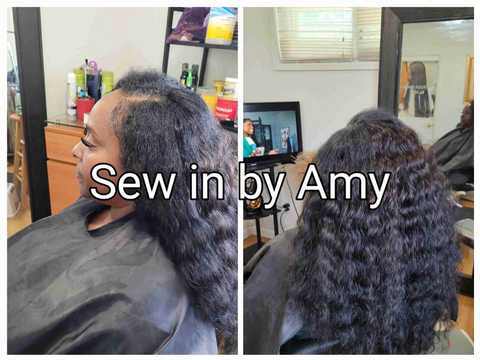
If you also wear protective styles like sew in extensions or you’ve searched side part sew in ideas, the same rule applies. A clean scalp and lightweight moisture helps everything last longer.
When to wash, when to reach out, and how I keep it easy for busy West End parents
If your child’s scalp stays calm, you can usually wait about a week before the first wash. Some families go longer, especially if there’s no sweating. If you need to cleanse sooner, keep it simple: use a gentle shampoo or scalp cleanser diluted with water, apply it to the scalp (not the full length), and rinse carefully. Pat dry, then air-dry fully. The biggest mistake is putting a bonnet on damp braids and calling it done.
"Always responsive and gives me what I ask for. She really does a great job!"
A recent visitor
Here’s what’s normal in the first week: mild tightness that eases after a day or two, a little scalp sensitivity, and a few flyaways. Reach out if you’re seeing persistent bumps, significant redness, or your child is saying it hurts days later. I’d rather you tell me early so we can solve it.
I’m in Henrico, and I braid for families across Richmond, Glen Allen, Short Pump, Tuckahoe, and the West End. If you want style ideas for warmer months, take a look at popular braid styles for summer in Henrico. It’s a good starting point before your next appointment.
Want me to check your aftercare plan? Tell me your child’s activity level (sports, swimming, sweaty summer camp) and how tender-headed they are. I’ll point you to the simplest routine that keeps the braids tidy without making mornings harder.
BRAIDS BY AMY | 1003 starling dr, Henrico, VA 23229
Call: +18043934096 | Email: adiarra.ad@gmail.com